Licensing Requirements Transforming Payment Choices for Mobile Slots and Live Tables
Katja Jung · Nov 15, 2026
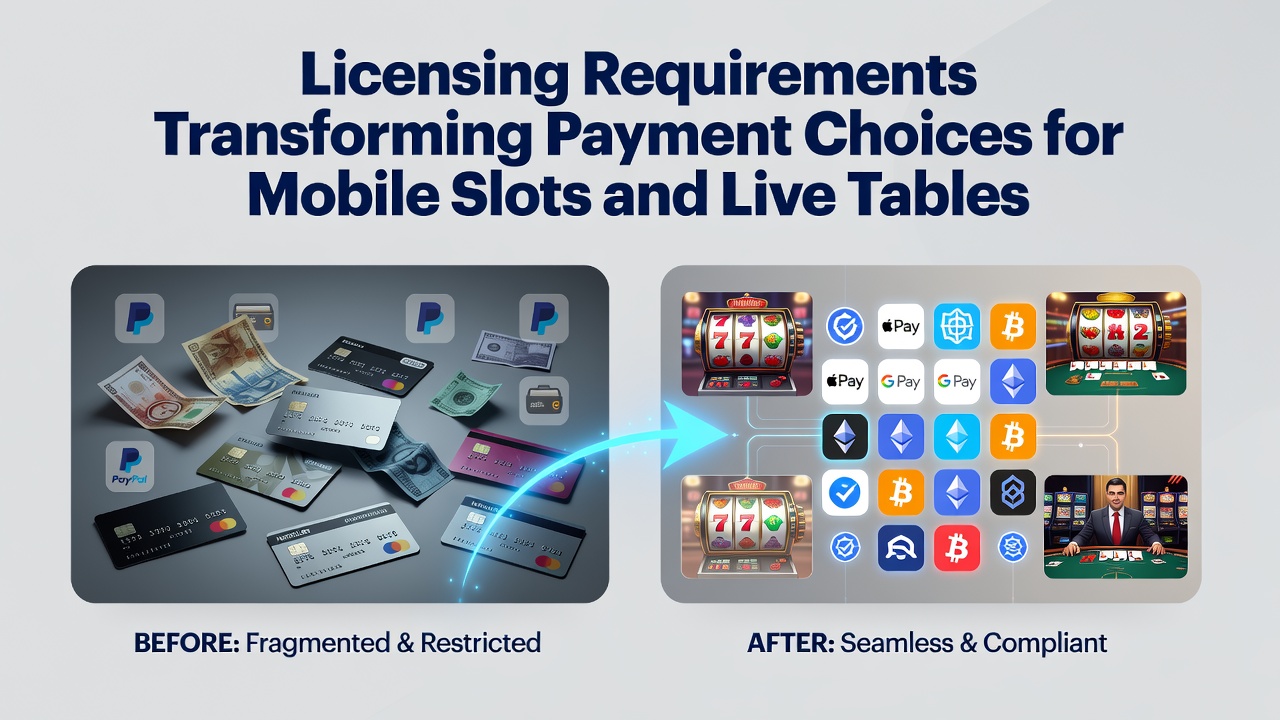
Licensing Requirements Transforming Payment Choices for Mobile Slots and Live Tables
Regulatory licensing frameworks continue to drive changes in how operators handle payments for mobile slots and live tables across multiple jurisdictions, with new compliance standards requiring tighter integration between payment providers and licensed platforms. Data from industry reports shows that operators must now align their transaction systems with updated licensing criteria that emphasize security, player verification, and transaction transparency before they can offer real-money gaming on mobile devices.
Those who track global gambling regulations note that licensing bodies increasingly tie payment method approvals directly to operator permits, which means only certain digital wallets, bank transfers, and card processors receive clearance for use in mobile casino environments. This shift affects both slots, which rely on quick deposit and withdrawal cycles, and live tables, which often involve higher-value transactions that demand additional verification layers.
Payment Method Approvals Under Current Licensing Rules
Licensing authorities require operators to demonstrate that selected payment partners meet specific technical and legal benchmarks, including encryption standards and anti-money laundering protocols, before those methods can process funds for mobile slots or live dealer sessions. Research indicates that platforms failing to secure these approvals face restrictions that limit available options to players, forcing many to switch to alternative licensed providers mid-session.
Figures reveal that jurisdictions in North America and parts of Europe have synchronized their licensing timelines so that payment innovations must undergo review alongside game software certifications. This approach means new mobile payment solutions, such as instant bank transfers or cryptocurrency gateways, enter the market only after they satisfy both licensing and financial conduct rules.
Impact on Mobile Slots Transactions
Mobile slots operators report that licensing updates have narrowed the range of accepted deposit methods, with many platforms now prioritizing e-wallets that carry pre-approved status from regulatory bodies. One study from a Canadian research institution highlighted how these restrictions reduced average deposit times for slots players while increasing the emphasis on verified accounts that comply with cross-border licensing agreements.
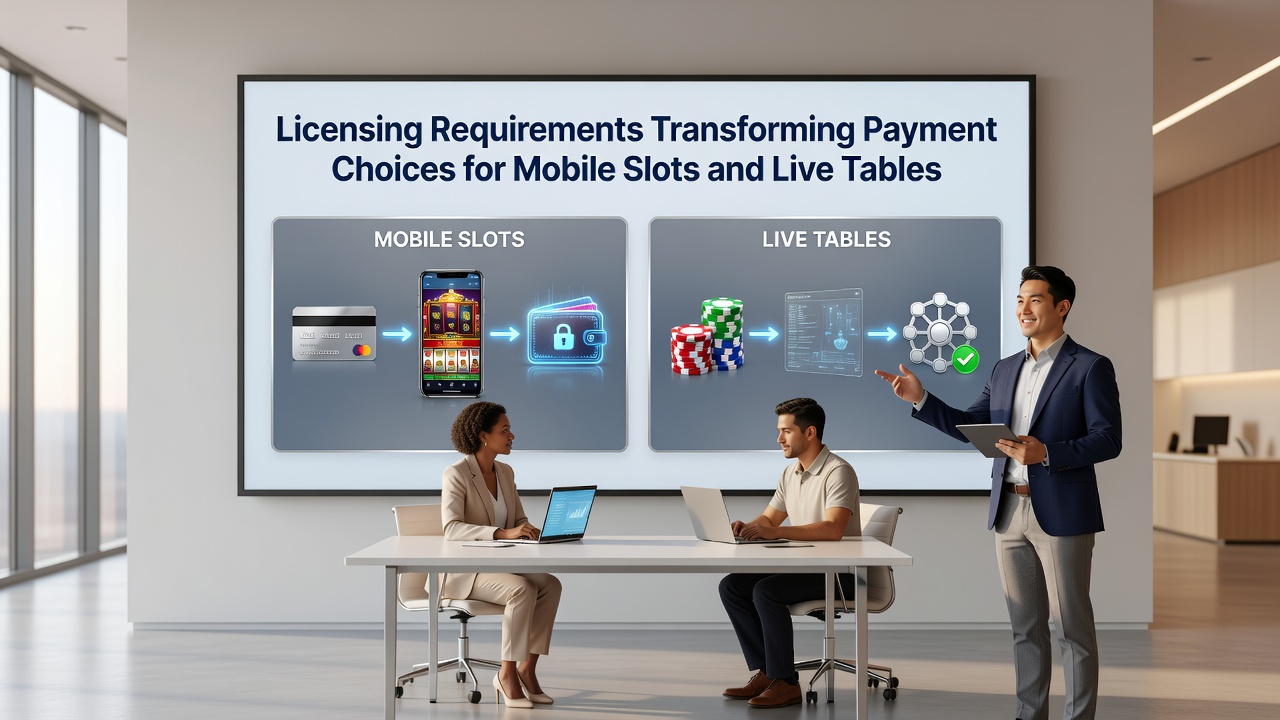
Payment processors that hold licenses in multiple regions gain preference because they allow operators to maintain compliance when players move between different regulatory zones. Observers note that this consolidation has led to smoother experiences for slots enthusiasts who prefer recurring small transactions, yet it has also prompted some providers to exit markets where licensing fees outweigh transaction volumes.
Live Tables and Heightened Verification Demands
Live table games present unique challenges under evolving licensing regimes because their real-time nature requires payment systems that can handle both deposits and withdrawals without interrupting gameplay. Licensing conditions now often mandate that operators integrate payment gateways capable of instant balance updates and multi-factor authentication, particularly for table games that accept larger wagers.
According to the European Gaming and Betting Association, several member states have introduced licensing clauses that tie live table approvals to the operator's ability to maintain segregated player funds through licensed financial institutions. This requirement has accelerated adoption of certain bank transfer methods while sidelining others that cannot meet the new segregation standards.
Those who've examined licensing filings observe that live table providers must also demonstrate resilience against payment disputes and chargebacks, which has pushed many platforms toward methods with built-in dispute resolution features. Data shows these changes have stabilized transaction success rates for live games even as overall payment variety has decreased.
Developments Expected by November 2026
Regulatory calendars indicate that several licensing renewals scheduled for November 2026 will incorporate additional payment technology assessments, including evaluations of biometric verification tools and real-time fraud detection systems. Operators preparing for these deadlines have already begun testing payment integrations that satisfy both current and anticipated licensing criteria.
Industry analyses suggest that the November 2026 updates could further consolidate approved payment lists, particularly for mobile platforms offering both slots and live tables. Licensing bodies in Australia and select EU markets have signaled they will require operators to submit transaction audit trails that cover the full lifecycle of each deposit and withdrawal.
One research paper from an Australian university examined how earlier licensing tightening affected payment diversity and found measurable shifts toward a smaller set of compliant providers. Those patterns are expected to repeat when the next round of licensing reviews concludes in late 2026.
Conclusion
Licensing requirements continue to reshape which payment methods remain viable for mobile slots and live tables, with operators adapting their systems to meet unified standards across regions. The connection between licensing approvals and payment availability has become a central factor in platform design, influencing everything from transaction speed to player verification processes. As deadlines like those in November 2026 approach, the industry will likely see further alignment between regulatory expectations and the payment options offered to mobile users.