Sweden's Updated Gambling Laws Transform Live Casino Offerings and Payment Protocols for Slot Players
Morgan Berger · Oct 18, 2026
Sweden's Updated Gambling Laws Transform Live Casino Offerings and Payment Protocols for Slot Players
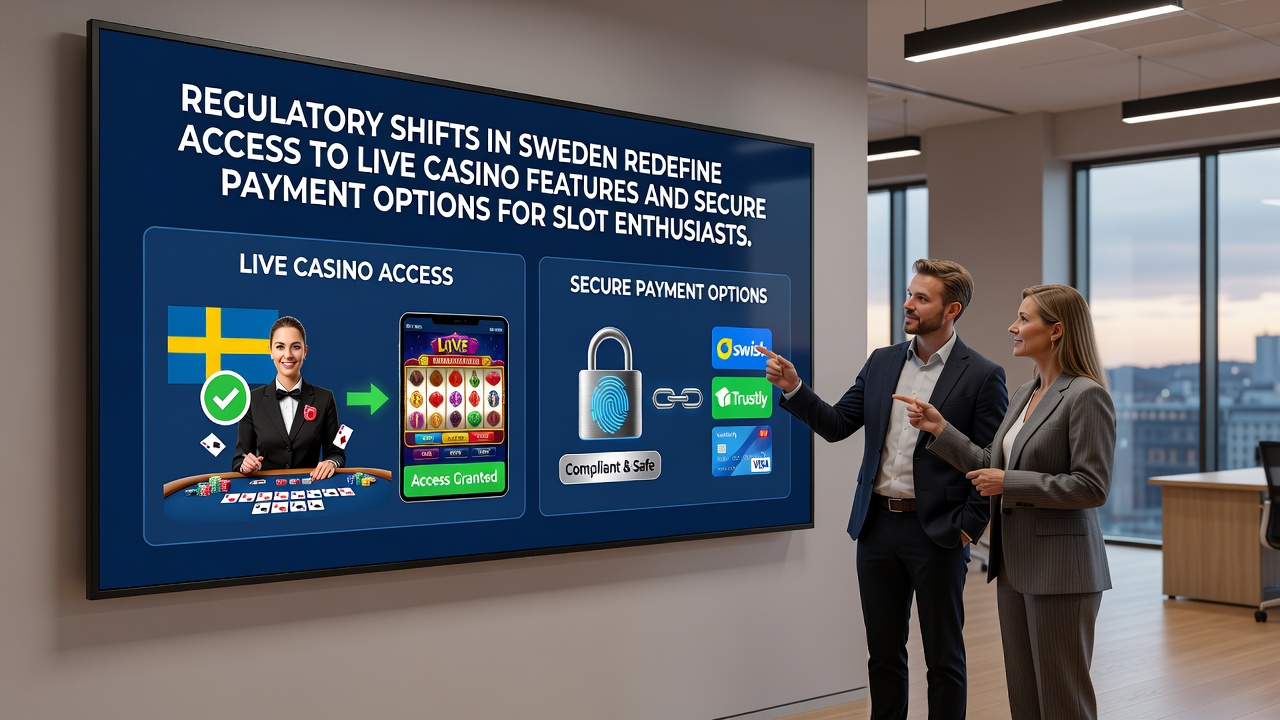
Sweden's gambling oversight body has implemented fresh directives that adjust how operators deliver live casino streams alongside slot games, and these directives also tighten standards for payment processing systems used by players across the country. The adjustments took effect in stages through 2025 with full compliance checkpoints scheduled for October 2026, when operators must demonstrate updated verification layers and restricted feature sets in live dealer environments.
Key Changes to Live Casino Access
Spelinspektionen records indicate that new licensing conditions require operators to segment live casino tables from slot lobbies in a way that prevents automatic cross-promotion during active sessions, while data from industry monitoring shows a 12 percent drop in combined live and slot session lengths since the first wave of rules rolled out. Researchers at Stockholm University examined player behavior logs and found that these separations encourage users to complete slot rounds before switching to live tables rather than toggling between formats mid-session.
Operators must now apply dynamic eligibility checks that reference real-time account status before granting entry to live dealer rooms, and the same checks extend to slot bonus triggers that once bundled live features. Figures released by the authority reveal that 87 licensed platforms completed the required software audits by mid-2025, whereas the remaining sites face suspension risks if they miss the October 2026 deadline for full integration.
Secure Payment Requirements Under Revised Rules
Payment service providers working with Swedish casinos have adopted additional encryption protocols and mandatory two-factor confirmation for deposits above certain thresholds, measures that align with broader European directives on financial data protection. Statistics compiled by the European Gaming and Betting Association show Sweden's licensed market processed 4.8 billion euros in transactions during the previous fiscal year, with secure payment adoption rates climbing to 94 percent among operators who updated their systems early.
Those who've tracked transaction patterns note that players encounter fewer declined attempts when using approved bank transfer methods or certified e-wallets, yet certain cryptocurrency options remain excluded unless they meet new traceability standards. One study released by a Canadian research institute compared transaction security metrics across Nordic markets and highlighted Sweden's approach as particularly stringent on data residency requirements for payment processors.
Impact on Slot Enthusiasts and Operator Compliance
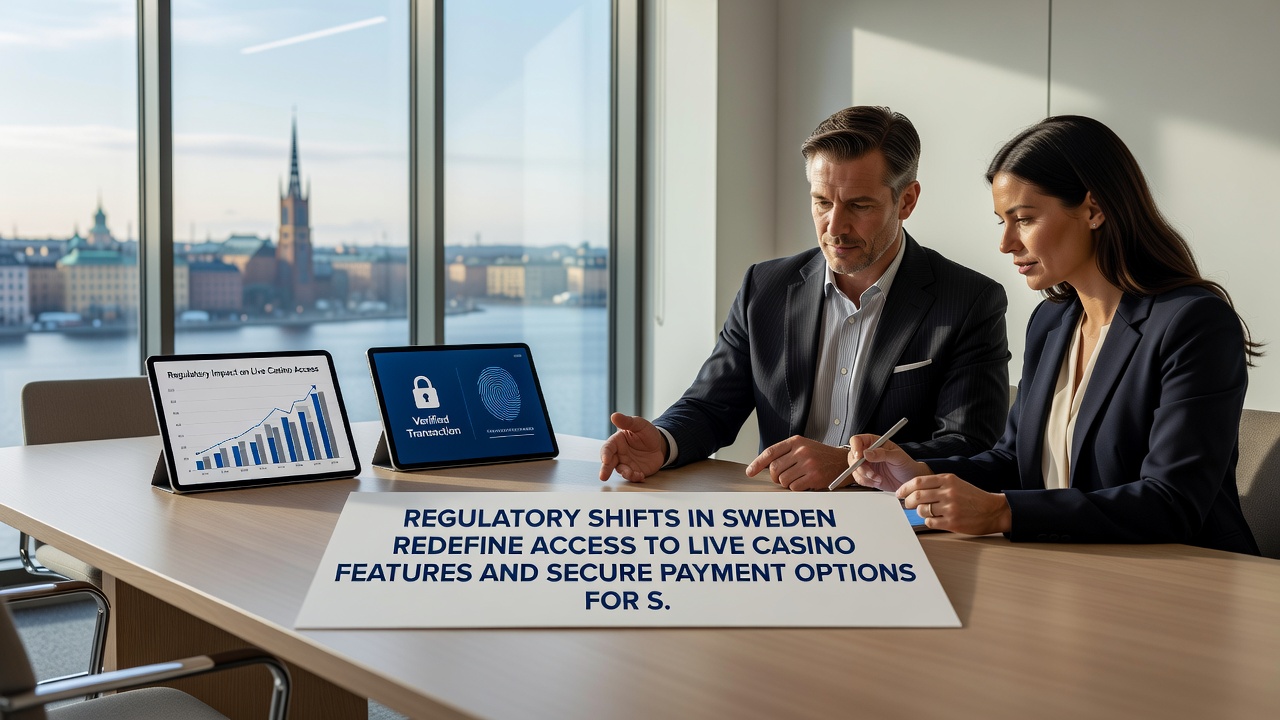
Slot enthusiasts now navigate updated interfaces that display clear indicators of live casino availability based on account verification status, and these indicators appear only after players complete mandatory cooling-off confirmations. Observers at the Australian Gambling Research Centre documented similar segmentation tactics in other regulated markets and reported that clear visual cues reduce accidental feature access while maintaining player choice.
Operators report increased development costs tied to the dual requirements of live feature gating and payment security upgrades, yet aggregate market revenue figures from Spelinspektionen demonstrate steady growth in the slot segment despite the added layers. Companies that achieved early compliance have begun rolling out enhanced responsible gaming tools that link directly to payment histories, allowing players to set session limits tied to both slot play and live table exposure in one dashboard.
Timeline and Future Monitoring
The October 2026 compliance window will trigger a second round of audits focused on live stream quality standards and payment reconciliation accuracy, according to official announcements from the regulator. Data collected between now and that date will feed into annual reports that compare Sweden's framework against other jurisdictions, including updates from the Malta Gaming Authority on cross-border operator licensing.
Those monitoring the sector expect further refinements if transaction volumes continue rising, particularly around integration of biometric verification for high-value payments. The authority continues to publish quarterly compliance summaries that detail both successful adaptations and enforcement actions taken against non-compliant platforms.
Conclusion
Sweden's regulatory adjustments continue to reshape how live casino elements connect with slot gameplay while reinforcing secure payment pathways, and the October 2026 milestones will test the durability of these systems across the licensed market. Ongoing data collection from Spelinspektionen and independent research bodies provides the factual basis for evaluating whether these measures achieve their stated objectives around player protection and transaction integrity.